
Sourcing conveyor belts from China have become a mainstream procurement strategy for operations across mining, bulk terminals, cement plants, logistics hubs, and food processing facilities worldwide. The price advantages are real — but so are the risks. A substandard belt that fails mid-shift does not just mean unplanned downtime; in safety-critical environments, it can mean serious incidents, regulatory exposure, and contractual penalties that far outweigh any upfront savings.
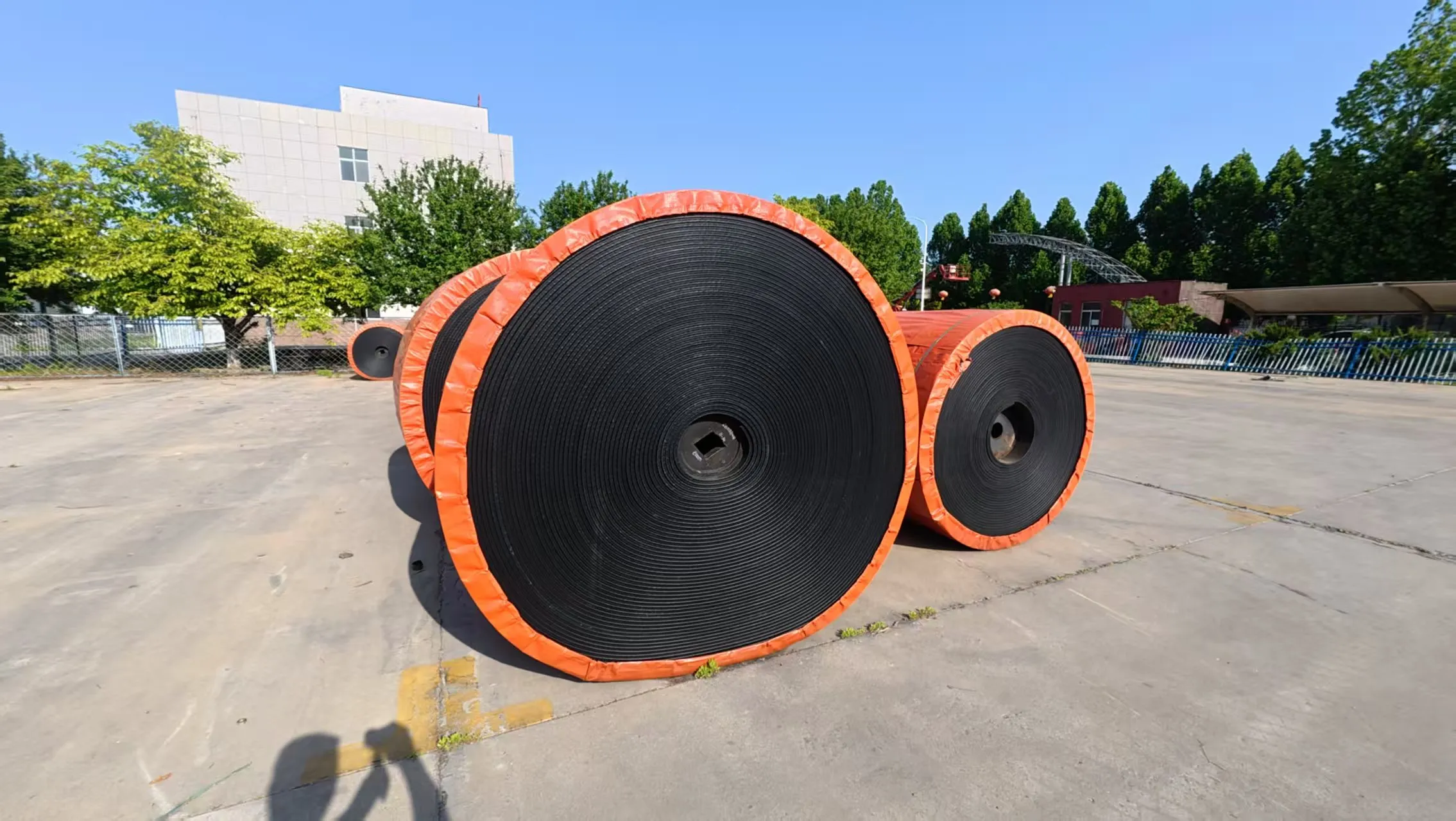
The challenge is that China’s conveyor belt manufacturing landscape is vast and uneven. Hundreds of factories compete on price, yet only a fraction combine genuine engineering depth, consistent raw material standards, and the compliance infrastructure that serious buyers require. This guide outlines the criteria that experienced procurement managers use to separate reliable long-term partners from low-cost, high-risk vendors.
1. Start with Product Range and Specialization
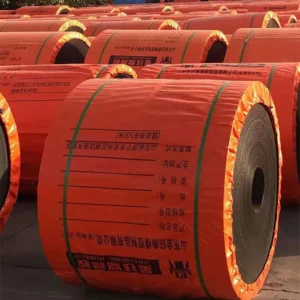
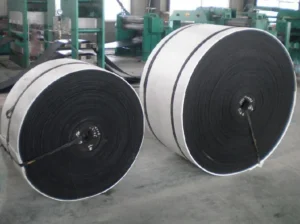
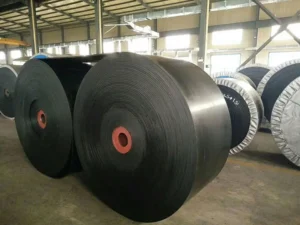
A supplier worth considering should manufacture conveyor belts across multiple construction types, not just a single commodity product. Broad specialization signals genuine engineering capability and is a practical indicator that the factory can scale with your operation’s evolving demands. The main categories to look for include:
- Steel cord conveyor belts (ordinary and flame retardant grades) — preferred for long-distance, high-tension applications where low elongation and load-bearing strength are non-negotiable.
- Solid-woven PVC and PVG belts — specifically engineered for underground mining operations where flame resistance and anti-static performance are regulatory requirements, not optional features.
- Layered fabric core belts (cotton, nylon, or polyester carcass options) — versatile configurations suitable for quarrying, cement, power generation, and general bulk material handling.
- Light-duty PVC and PU belts — designed for food processing, logistics, and packaging lines where hygiene standards and precision tracking matter as much as tensile strength.
Suppliers that cover this full spectrum typically maintain dedicated production lines, compound mixing facilities, and testing protocols for each belt type — a structural advantage over factories that batch-produce generic belts with limited customization.
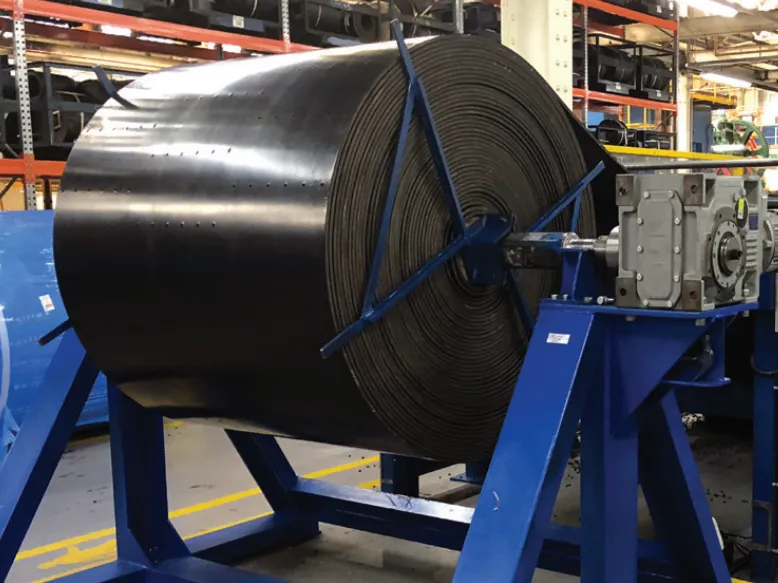
EXPLORE MINSENMINE PVG CONVEYER BELT
2. Verify Certifications and Compliance Standards
Certifications are not merely paperwork — they are evidence of systematic quality control and compliance with internationally recognized performance benchmarks. When evaluating a Chinese conveyor belt manufacturer, request documentation for the following:
- ISO 9001 Quality Management System certification, which demonstrates that the supplier’s production and inspection processes meet a documented, auditable standard.
- MA (Mine Safety Certificate) for belts destined for underground use — a mandatory Chinese regulatory requirement for PVC and PVG solid-woven flame-retardant products.
- Product-specific test reports from accredited third-party laboratories covering tensile strength, elongation at break, cover hardness, flame propagation resistance, and anti-static conductivity.
- Compliance with relevant export destination standards, such as AS 1332 for Australian mining operations or DIN 22102 for European markets.
Be cautious of suppliers who produce certificates on request without being able to demonstrate the underlying testing infrastructure. Ask to see the test lab, or request recent batch-level test results — not just master product certifications.
3. Evaluate Raw Material Traceability
Conveyor belt performance is only as good as the raw materials that go into it. Many quality failures in imported belts trace back not to poor manufacturing processes, but to inferior or substituted inputs — recycled rubber compounds passed off as virgin stock, low-grade steel cord with inconsistent tensile ratings, or carcass fabrics with inadequate adhesion treatment.
A reputable supplier should be able to provide:
- Material data sheets for rubber compounds (natural rubber or SBR blend, compound hardness, abrasion loss values per ISO 4649).
- Steel cord specifications including wire diameter, cord construction (e.g., 7×7 or 7×19 strands), and guaranteed breaking load.
- Fabric carcass data covering warp and weft yarn type, ply adhesion strength (N/mm), and warp tensile rating.
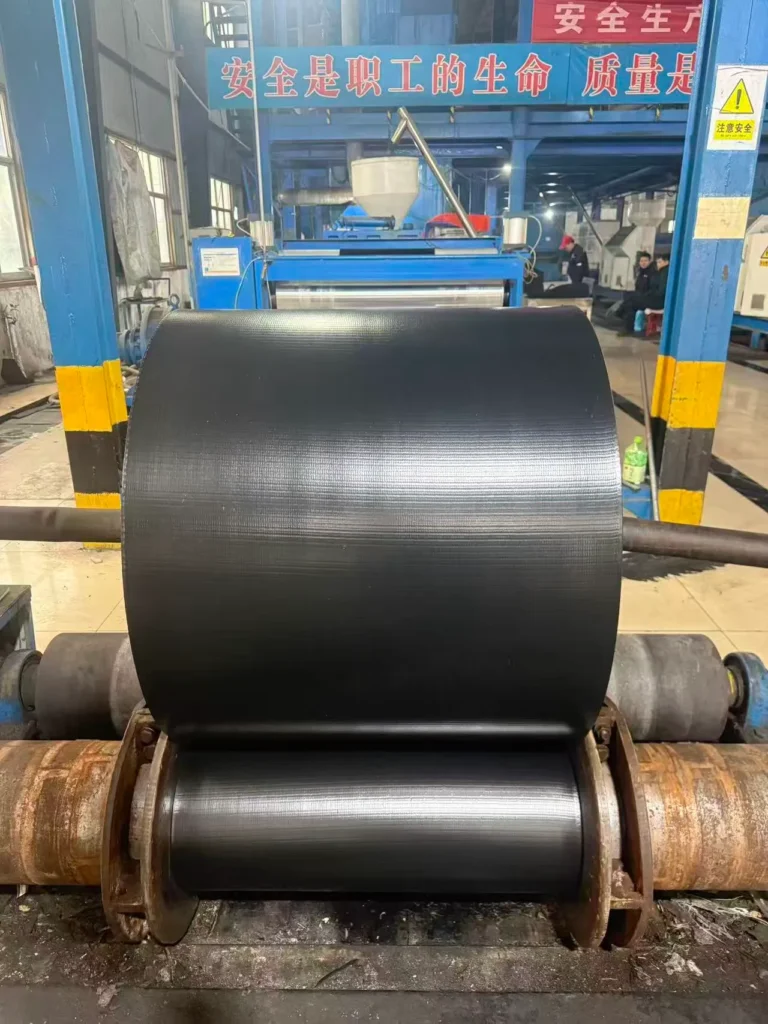
Manufacturers that operate integrated facilities — where compounding, calendering, and vulcanization all occur under one management system — generally deliver more consistent lot-to-lot performance than those that outsource key production steps.
4. Assess Technical Support and Customization Capability
Standard catalog products rarely fit every application perfectly. The ability to customize — and to back that customization with engineering expertise — is what distinguishes a true manufacturing partner from a product distributor.
When evaluating a supplier’s technical depth, consider whether they can:
- Recommend the appropriate belt rating, cover grade (e.g., M24, N17, or HR heat-resistant compound), and carcass construction for your specific loading conditions, material type, and conveyor geometry.
- Produce non-standard belt widths (e.g., 650mm, 800mm, 1000mm, 1200mm, 1400mm, or wider) and non-standard lengths without requiring a minimum order quantity that forces excessive inventory.
- Supply a complete conveyor system package including idler rollers, deviation correction devices, belt scrapers, and vulcanization or cold-splicing materials — reducing the number of vendors you need to coordinate.
- Provide on-site or remote commissioning support, installation guidance, and failure analysis when performance issues arise in the field.
View Minsenmine Products Category
5. Examine Export Track Record and References
Domestic sales volume means little if the supplier lacks experience navigating international logistics, customs documentation, and the specific compliance expectations of your target market. Look for concrete evidence of global supply experience:
- A verifiable portfolio of projects in your sector — mining, port handling, cement, power, food processing — ideally with reference contacts or detailed case studies available.
- Familiarity with export packaging requirements, including moisture-barrier wrapping, proper coiling or reel winding, and crate construction for ocean freight.
- Transparent lead time commitments and the operational capacity to meet them, particularly for urgent replacement orders where downtime cost is high.
6. Evaluate After-Sales Responsiveness
The relationship with a conveyor belt supplier does not end at delivery. In heavy industry, how quickly a supplier responds to a field failure — and how constructively they engage with warranty claims or technical investigations — has direct operational and financial implications.
Evaluate post-sale capabilities by asking:
- What is the process for raising a quality claim, and what documentation is required from the buyer’s side?
- Can the supplier provide root cause analysis reports for field failures, and have they done so for previous customers?
- Is there a dedicated technical contact with belt engineering knowledge, not just a sales representative who will relay questions to a separate department?
Suppliers who treat after-sales as a priority — not an afterthought — typically hold a fundamentally different view of the customer relationship, one built on long-term accountability rather than transactional volume.
Final Thoughts
Choosing a quality conveyor belt supplier from China is not primarily a price negotiation exercise. It is a technical and commercial due diligence process that, when done properly, yields a supplier capable of extending belt service life, reducing unplanned downtime, and meeting the compliance requirements that serious operations demand. Product range, certification depth, raw material integrity, customization capability, international experience, and genuine after-sales accountability — these are the six variables that, taken together, reliably predict which suppliers will perform and which will disappoint.
Why Minsenmine Is the Right Choice for Your Operation
At Minsenmine, every criterion outlined above is something we actively demonstrate rather than merely claim. Our product lineup spans steel cord conveyor belts in both standard and flame-retardant configurations, solid-woven PVC and PVG belts engineered for underground mining, layered fabric core belts in cotton, nylon, and polyester carcass options, and light-duty PVC and PU belts for food processing and logistics applications. We supply the full system — including idler rollers, belt deviation correction devices, polyurethane scraper blades, and vulcanization materials — so procurement teams can consolidate their vendor base without compromising on component quality.
Our facilities maintain ISO 9001 quality management standards, and our technical team is available to assist with belt selection, specification review, and post-delivery support. We serve clients across mining, bulk handling, cement, and industrial logistics sectors globally, and we back every shipment with full documentation including material test reports and compliance certificates.
Ready to evaluate a better conveyor belt partner? Visit minsenmine.com to explore our full product range or contact our team directly for a technical consultation and competitive quotation.