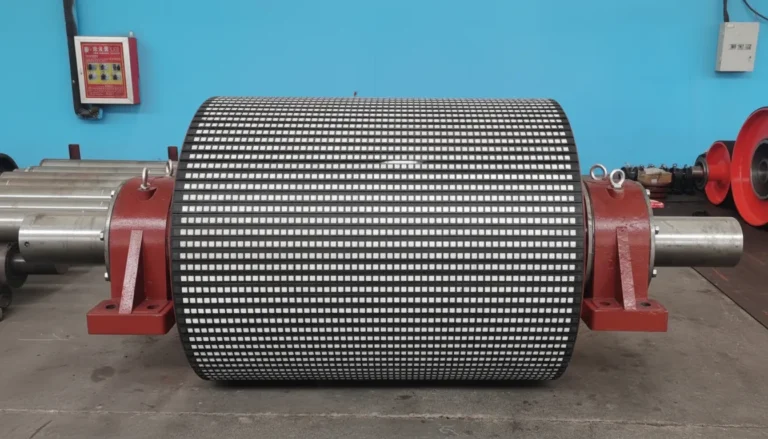
Ceramic Cold Adhesive Sheet

  • Aluminum oxide ceramic tiles embedded in high-elasticity rubber deliver surface friction 2–3× higher than standard rubber lagging, dramatically reducing belt slip on drive pulleys
  • Service life 3 to 5 times longer than ordinary cold adhesive rubber lagging — fewer shutdowns, less replacement, and significantly lower total maintenance cost
  • Cold adhesive bonding process requires no vulcanization equipment or factory processing — suitable for rapid on-site installation and emergency field repair
  • Ceramic tile surface maintains consistent friction performance even in wet, muddy, or high-dust environments where plain rubber degrades rapidly
  • Ideal for heavy-load, high-tension conveyor systems where standard rubber lagging fails prematurely under abrasive or high-slip operating conditions

Product Introduction

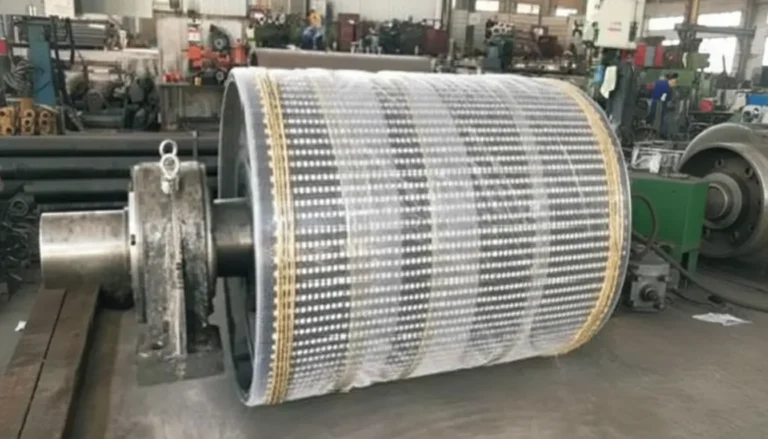
Ceramic cold adhesive sheet is a specialized pulley lagging solution that combines a high-elasticity rubber base with precision-embedded aluminum oxide (Al₂O₃) ceramic tiles across the contact surface. Unlike conventional rubber lagging — which relies solely on the rubber compound for grip — ceramic lagging creates a multi-point friction interface between the ceramic particles, the pulley shell, and the underside of the conveyor belt.
At MinsenMine, ceramic cold adhesive sheets are manufactured with consistent tile density and placement geometry, using a cold adhesive bonding system rated for field installation without specialized equipment. This makes ceramic lagging a practical choice not only for new conveyor installations but also for upgrading existing pulleys in high-wear applications — including coal handling, mineral processing, port bulk terminals, and cement plants.

Ceramic-Enhanced Surface Friction

Aluminum oxide ceramic tiles embedded across the lagging surface deliver a friction coefficient 2–3× higher than standard rubber, ensuring reliable power transmission even under heavy load, wet conditions, or high belt tension.

Industry-Leading Wear Resistance

The hardness of Al₂O₃ ceramic tiles resists abrasion from fine ore, coal dust, and aggregate far beyond what any rubber compound alone can achieve — maintaining surface integrity across millions of belt cycles.
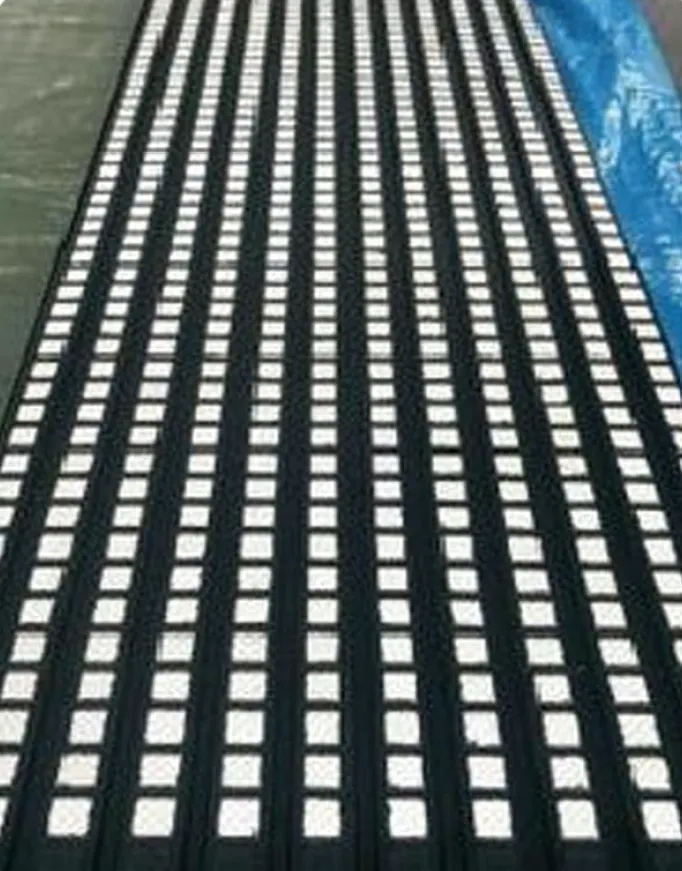

Product Structure & Working Principle

From ceramic surface to bonding interface — three functional layers working as one.

Ceramic Tile Surface Array

Aluminum oxide tiles are systematically embedded across the lagging surface, creating a dense, hard-wearing contact zone that delivers consistent high-friction performance across the full face of the drive pulley.

High-Elasticity Rubber Matrix

The ceramic tiles are set within a dense, flexible rubber compound that absorbs vibration and impact loads, prevents tile cracking under dynamic stress, and maintains structural integrity across the full operating temperature range.

Cold Adhesive Bonding Layer

The underside of the sheet is engineered for cold adhesive application, forming a strong mechanical bond to the pulley shell without heat or press equipment — enabling fast field installation with minimal conveyor downtime.

Anti-Slip Friction Mechanism

Under drive torque, each ceramic tile acts as an independent friction point against the belt’s inner cover. This distributed grip prevents differential slippage between pulley and belt — reducing tension imbalance, heat buildup, and belt wear at the drive zone.

Ceramic vs Standard Rubber – minsenmine

Ceramic Lagging vs. Standard Rubber

Eight key performance parameters, side by side. See why ceramic cold adhesive lagging outperforms conventional rubber lagging in every high-demand application across the conveyor line.

Parameter
★ Recommended
MinsenMine Ceramic Cold
Adhesive Sheet
Al₂O₃ ceramic tile embedded
Standard Plain Rubber
Lagging
Rubber compound only
Surface Friction Coefficient
2–3× higher than rubber lagging
Moderate — rubber surface only
Wear Resistance
Service Life
3–5× longer than standard rubber
Short — degrades under abrasion
Wet & Muddy Conditions
Grip maintained — ceramic unaffected
Grip declines as surface wears
Number of Friction Points
Maintenance Frequency
Significantly reduced
Regular replacement required
Installation Method
Cold adhesive — on-site, no vulcanization
Cold adhesive — on-site
Best Application
High-load, high-slip, abrasive environments
Moderate-duty standard conveyors

Custom sheet dimensions available for standard and non-standard drive pulley diameters and belt widths. Contact our engineering team for full product specifications and installation guidance.

Typical Industries and Sectors

Diamond-shaped cold adhesive sheets are suitable for drive pulley lagging on belt conveyor systems operating across a wide range of industries and environments:

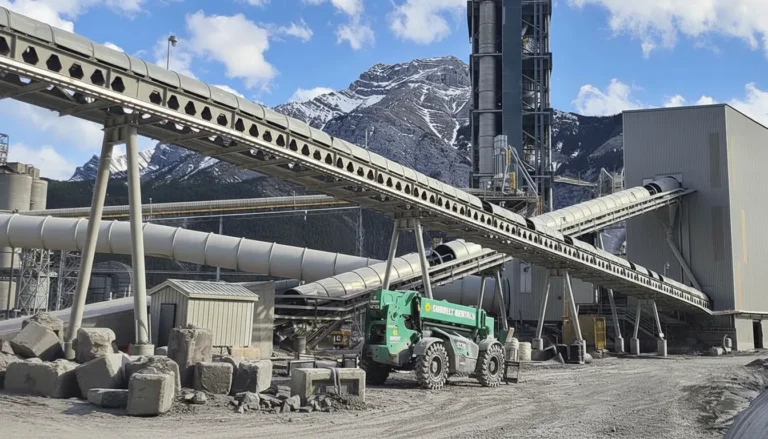
Mining and Mineral Processing

Heavy Duty Strength for Harsh Underground Operations
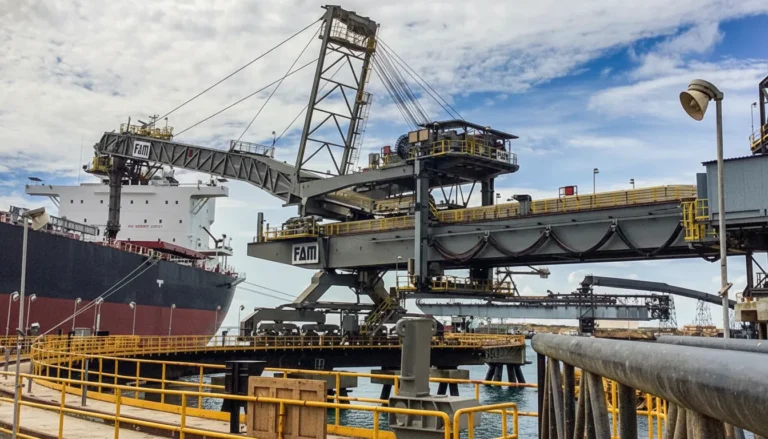
Port and Bulk Logistics

Efficient Flow for Continuous Material Movement
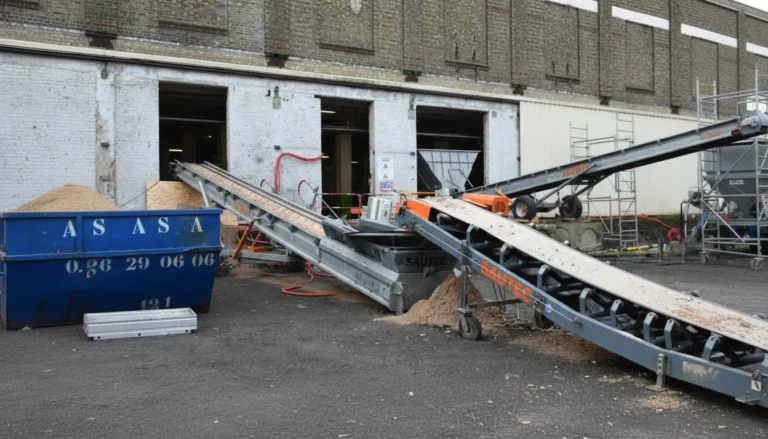
Cement and Building Materials

Enduring Performance Under Constant Heavy Loads
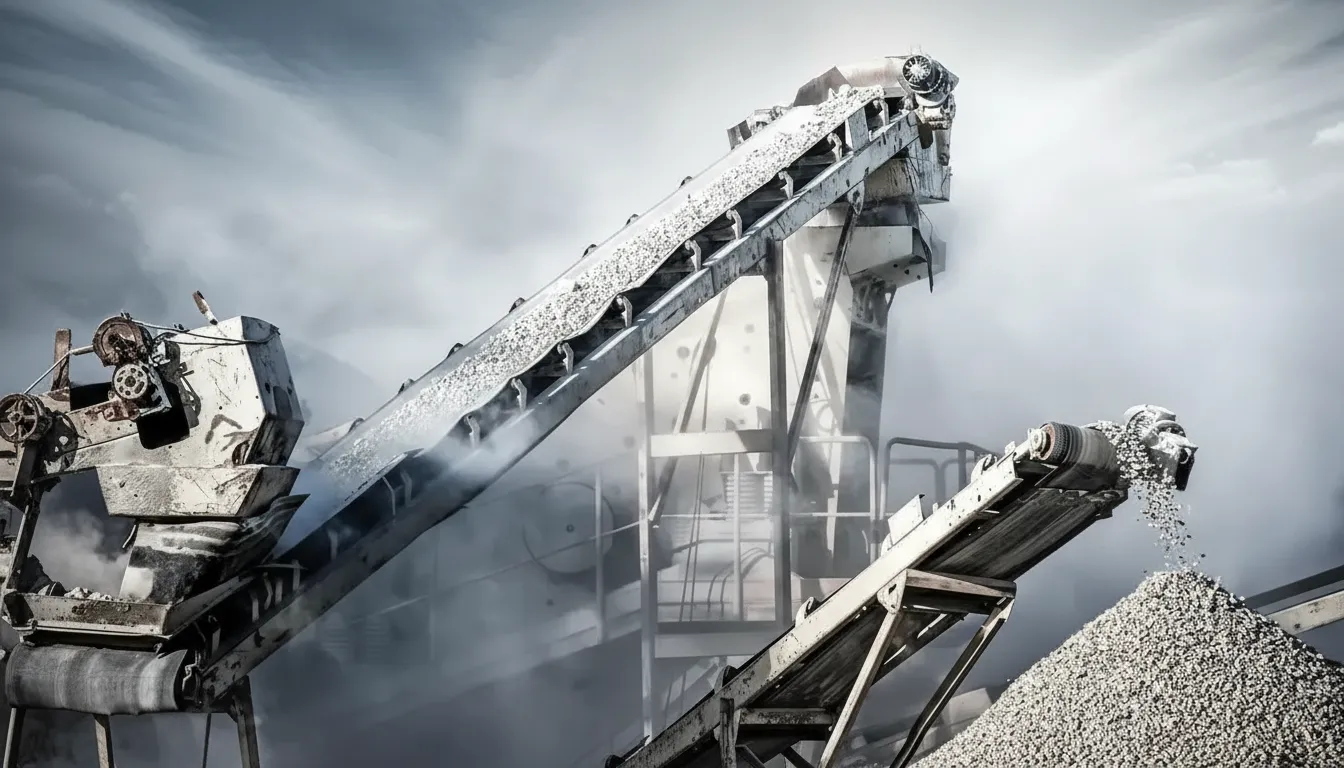
Power Generation and Energy Plants

Reliable Conveying for Coal and Biomass Systems
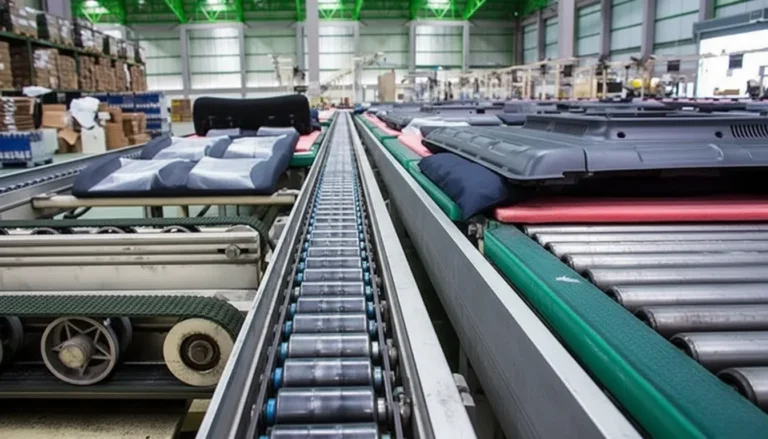
Metallurgy and Heavy Industry

High Tensile Control for Industrial Production Lines
Chemical and Industrial Manufacturing

Resistant Materials for Corrosive and Complex Media
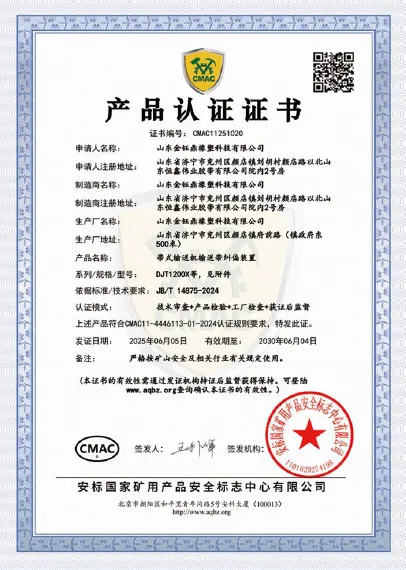
Certified to the Highest Industry Standards

Every certification we hold is a commitment we made to your safety and confidence.

Ceramic cold adhesive lagging is a product where material consistency is everything. Inconsistent tile density, uneven rubber compound quality, or a weak bonding interface can cause premature failure in exactly the conditions where the product is expected to outperform standard rubber. At MinsenMine, ceramic lagging is manufactured under a certified quality management framework with material specifications controlled at every production stage.

Our Certifications Include:

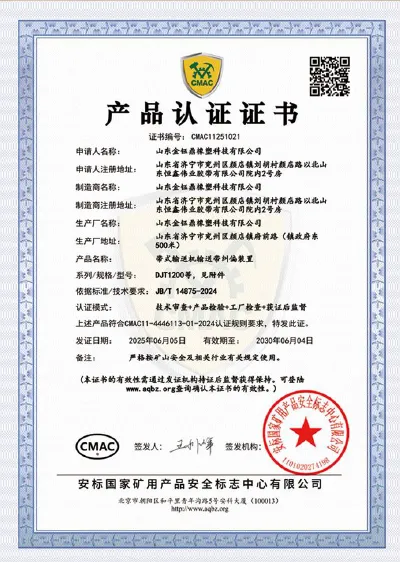
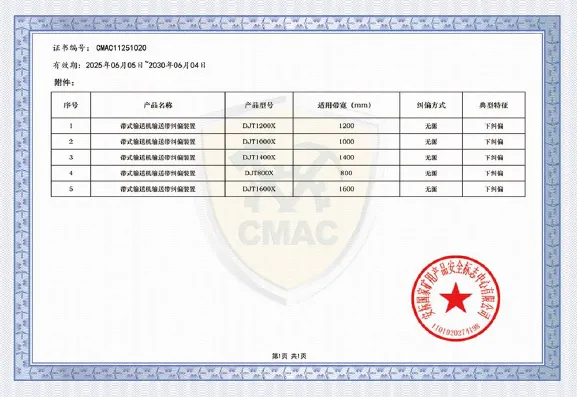
MA Certification (Mine Product Safety Mark)

Mine Product Safety Mark, issued by China’s National Safety Mark Center

Certified Quality Management System covering production, inspection, and delivery

International third-party verification of manufacturing facility and process standards

Join Our Global Distributor Network Today

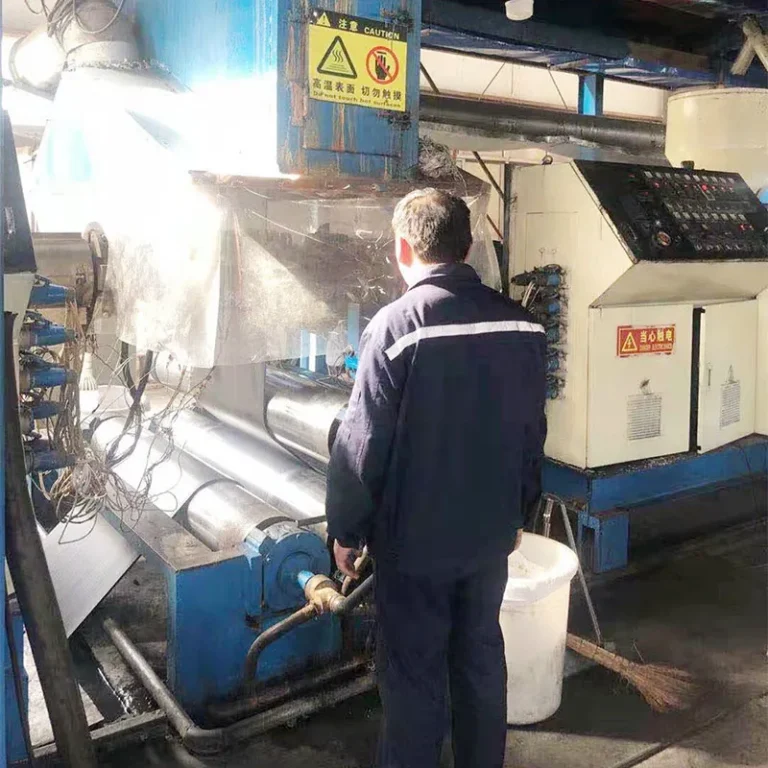
Precision Starts on the Production Floor

Ready to Upgrade Your Drive Pulley Lagging?

Whether you are replacing worn lagging on an existing high-load pulley, specifying ceramic lagging for a new conveyor system, or evaluating alternatives to hot vulcanization rubber coating — our team will assess your application, recommend the correct product specification, and provide complete support through to installation.

Contact Form

Get A Free Quote

Contact Form popup

Schedule Appointment

Contact Form