
Ordinary Steel Wire Rope Core Conveyor Belt
Engineered for long-distance, high-speed, high-capacity bulk material conveying — where tensile strength and service life define the bottom line.
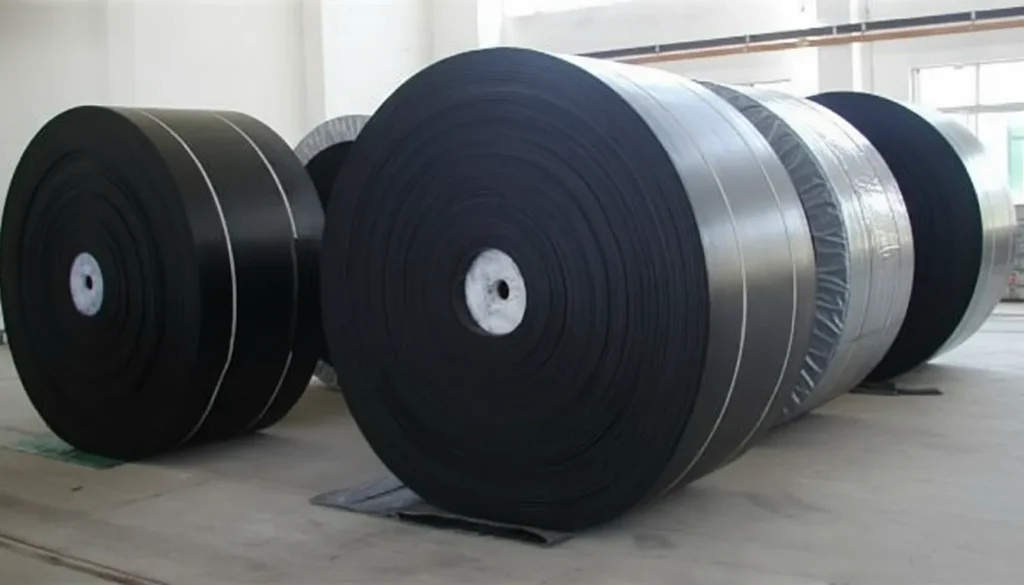
Coal Mine Main Haulage
The primary use case — main belt conveyors in underground coal mines covering long distances at high speed with continuous heavy loading.
Open-Pit Mining & Quarrying
Above-ground conveyor systems handling crushed rock, ore, and aggregate over extended horizontal or inclined routes.
Power Plant Fuel Handling
Long-distance coal delivery systems at thermal power stations require consistent belt tracking and minimal maintenance downtime.
Ports & Bulk Material Terminals
High-throughput conveying of coal, grain, potash, and other bulk commodities from ship-to-shore or storage-to-processing.
The High-Tonnage Belt for Long-Distance Operation
The Ordinary Steel Wire Rope Core Conveyor Belt is the industry-standard solution for large-span, high-speed, and high-capacity bulk material transport. Manufactured in strict compliance with MT668–2008, this belt is built around an open-structured steel wire rope core — a design that allows rubber compound to fully penetrate between rope strands during vulcanization.
This deep rubber infiltration is what sets it apart: it maximizes rope-to-rubber adhesion, dramatically reduces corrosion risk if the belt surface is damaged, and creates a troughing profile that transitions smoothly from a shaped to a flat state. The result is a belt that sustains heavy loading over long conveying distances with minimal elongation, exceptional impact resistance, and a service life that justifies the investment on demanding industrial routes.
Why Open-Structure Steel Wire Rope Matters
Standard closed-rope belts trap air pockets between rope strands during manufacture. If the belt cover is cut or abraded in service, moisture can travel along the rope and cause progressive corrosion — often invisible until the belt fails.
Minsenmine open-structure rope core belts are designed so that liquid rubber compound flows fully into the spaces between individual wire strands during the vulcanization process. This creates:
Key Features
These engineering advantages that make steel wire rope core the choice for serious conveying duty.
Open-Structure Steel Wire Rope Core
Allows full rubber penetration between rope strands for maximum bond strength and corrosion resistance
Long-Distance Capability
Specifically designed for large-span conveyor systems covering hundreds of meters or more
High-Speed Operation
Maintains structural stability and belt tracking at elevated conveying speeds
High Load Capacity
Handles large-volume, heavy bulk materials continuously without fatigue
Flame Retardant
Compliant with MT668–2008 flame retardancy requirements for mining environments
Anti-Static
Static dissipation built in for safe operation in dust-heavy or gas-prone areas
Minimal Elongation in Service
Low stretch under working load maintains consistent belt tension over long haul distances
Good Flexibility
Open rope structure allows smooth flexing over pulleys and transitions, reducing mechanical stress
Application Scenarios
Engineered for Demanding Industrial Environments
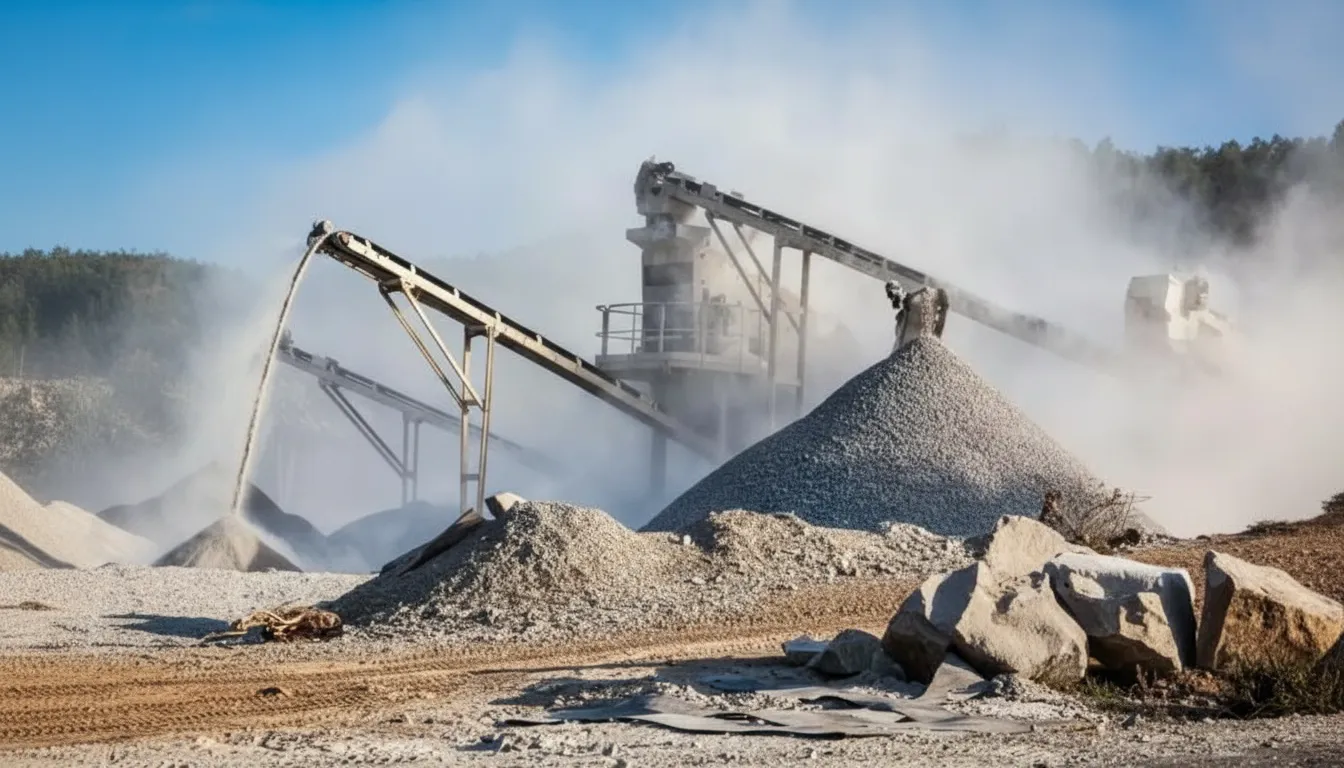
Mining and Mineral Processing
Heavy Duty Strength for Harsh Underground Operations
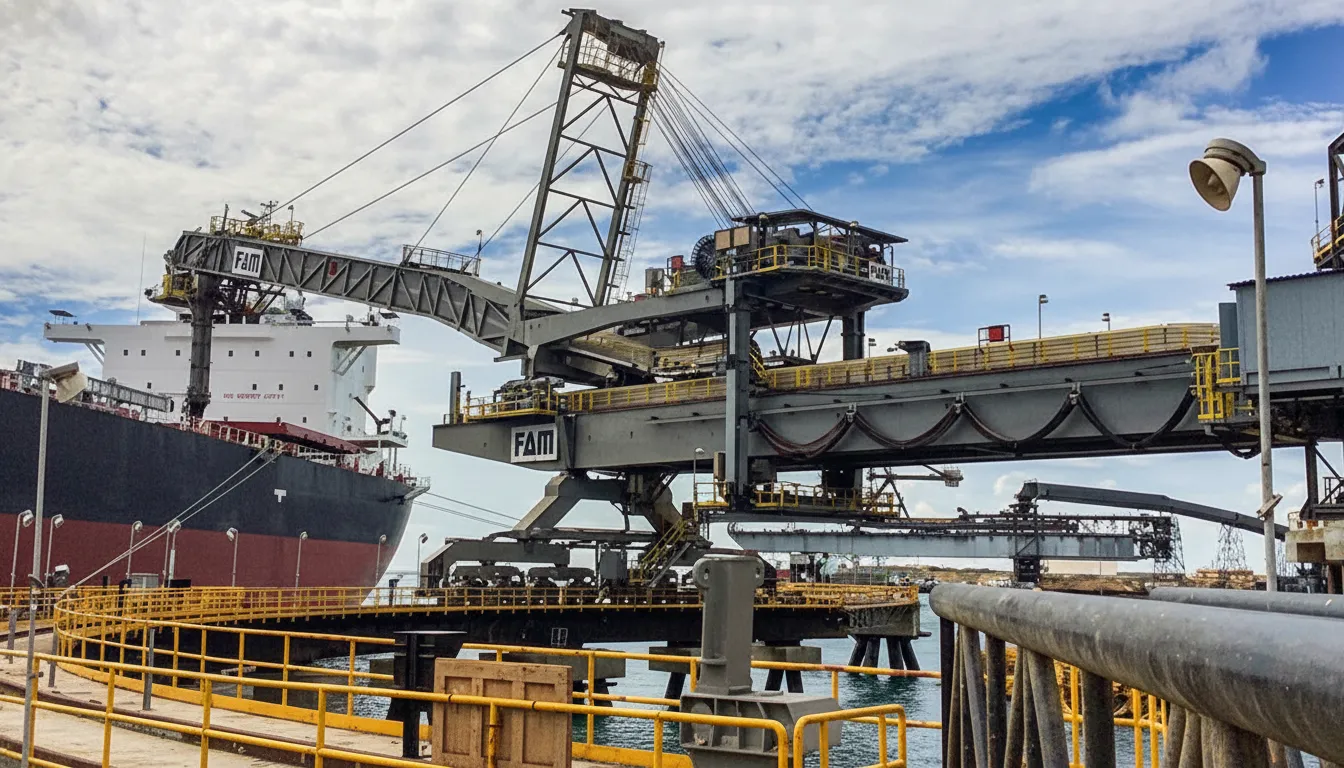
Port and Bulk Logistics
Efficient Flow for Continuous Material Movement
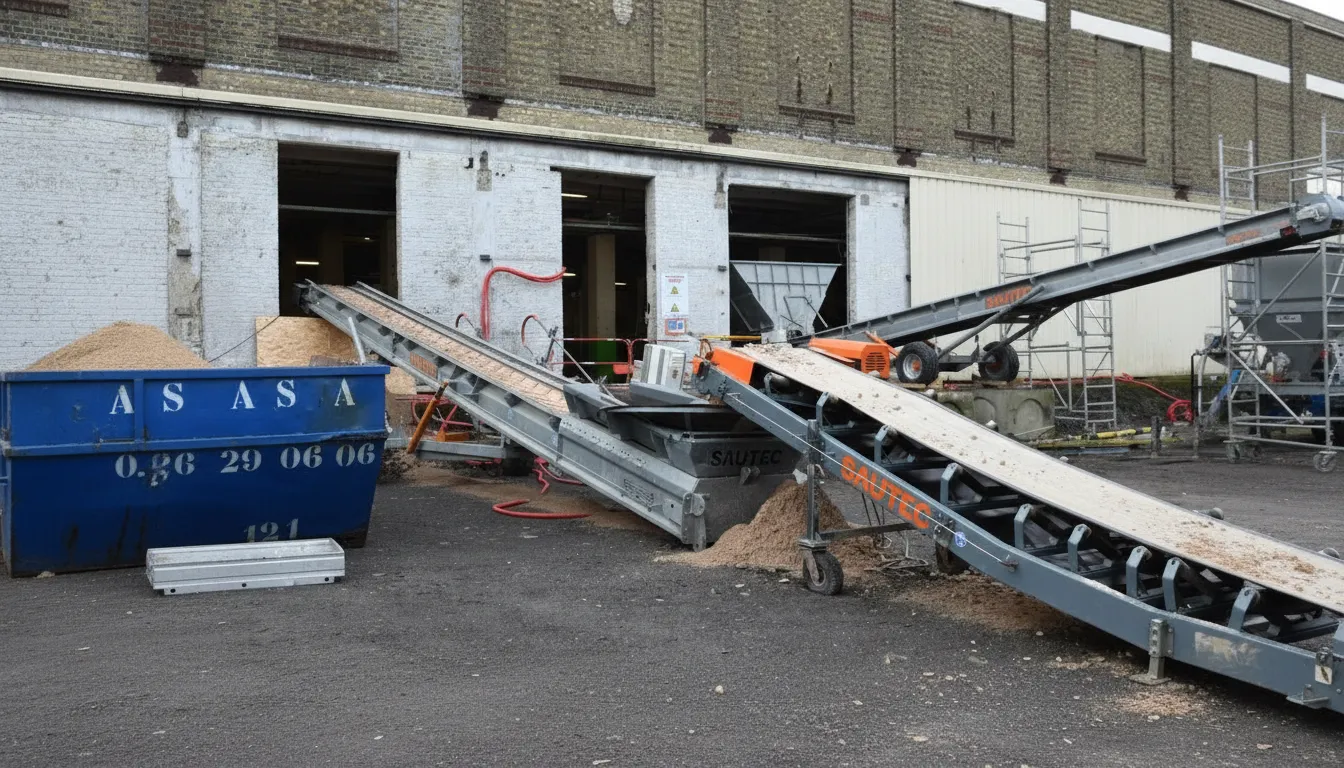
Cement and Building Materials
Enduring Performance Under Constant Heavy Loads
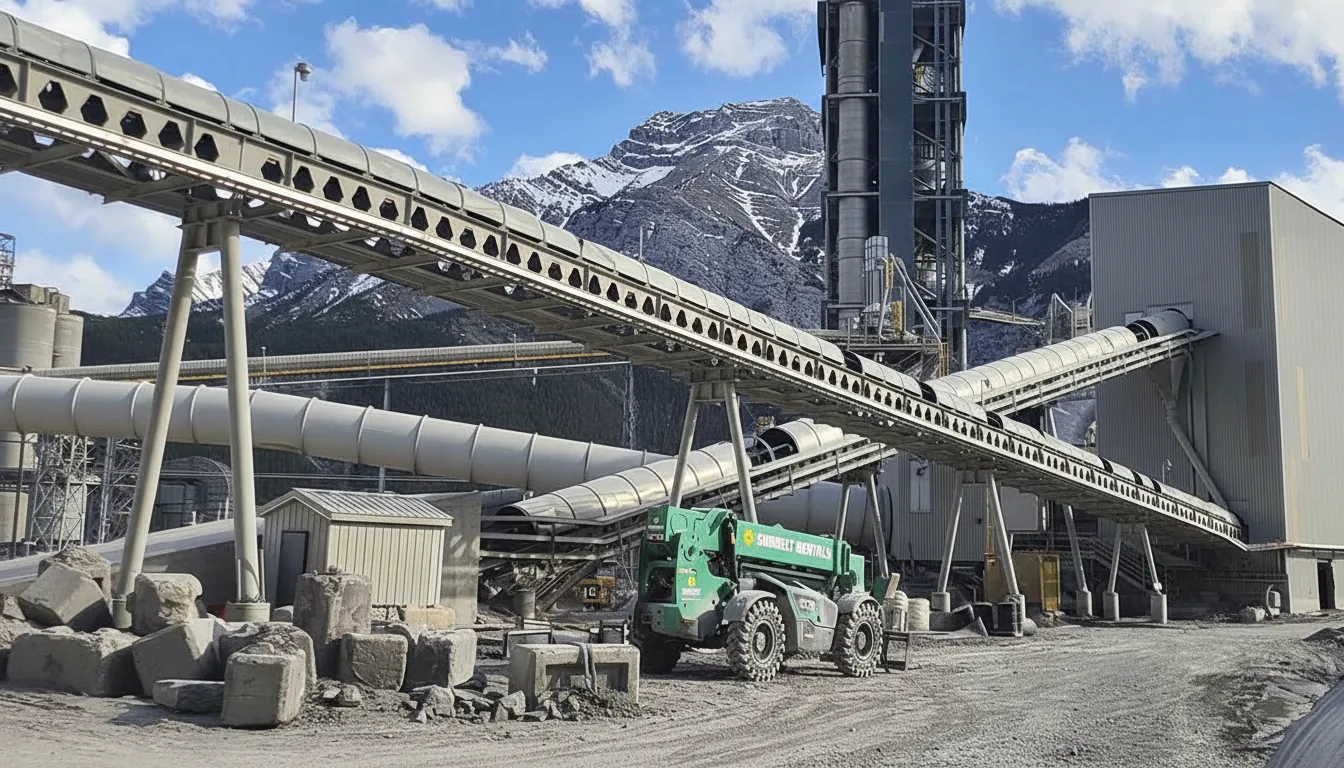
Power Generation and Energy Plants
Reliable Conveying for Coal and Biomass Systems
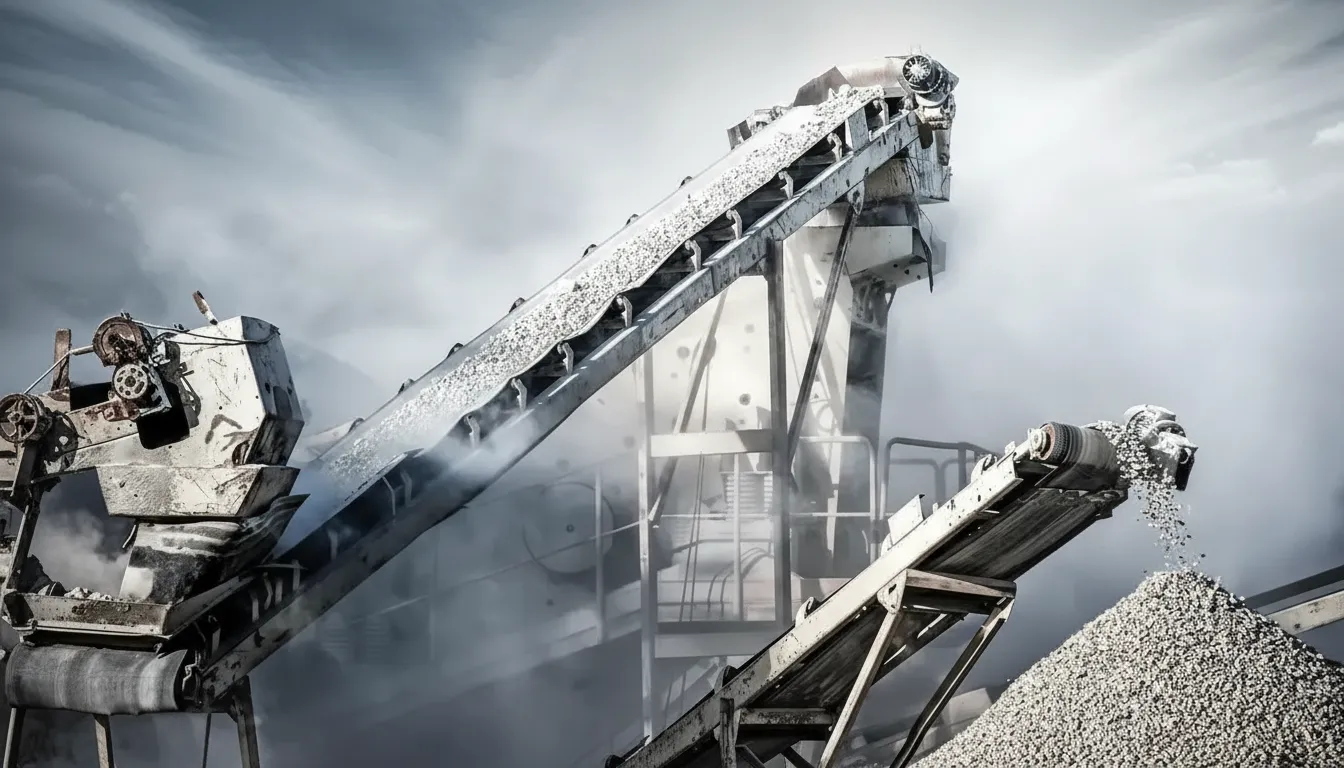
Metallurgy and Heavy Industry
High Tensile Control for Industrial Production Lines
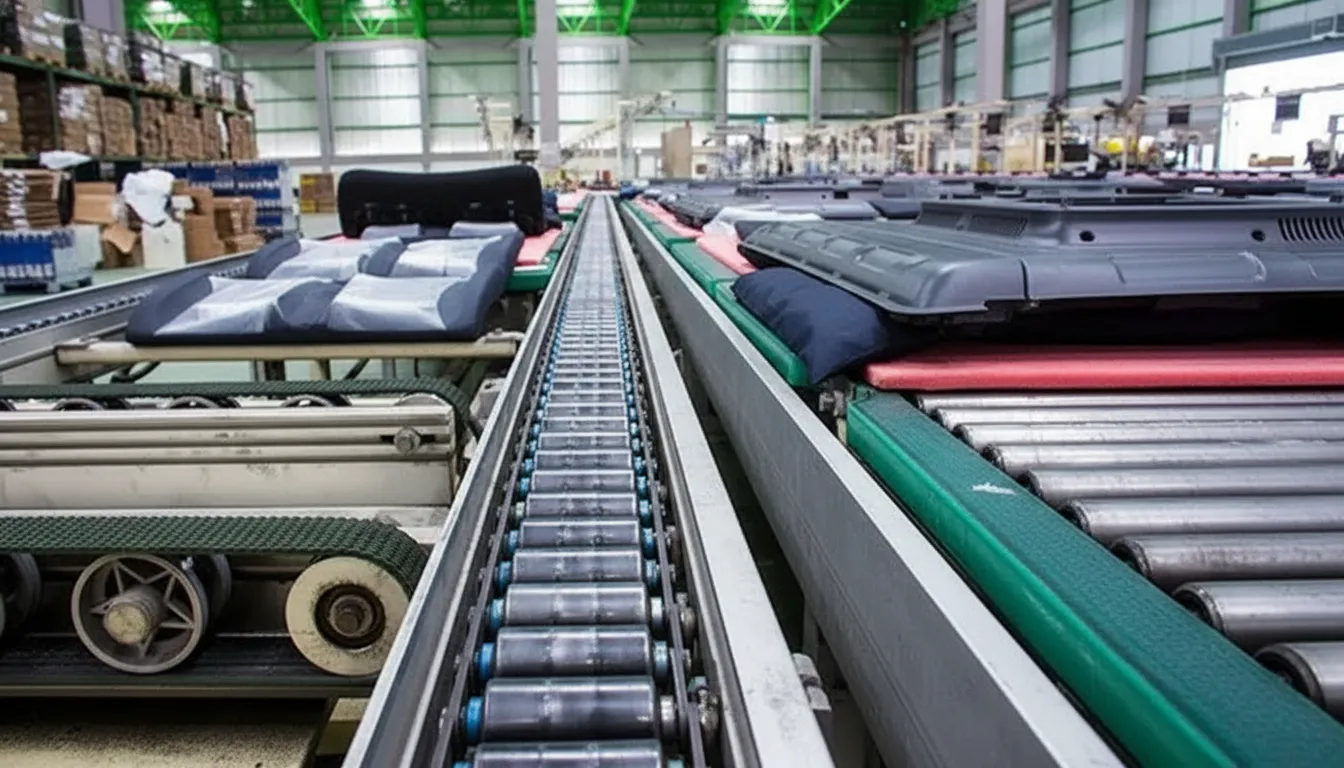
Chemical and Industrial Manufacturing
Resistant Materials for Corrosive and Complex Media
Product Selection Guide
Which Belt Is Right for You?
Compare our core conveyor belt series side by side to find the best fit for your application, environment, and load requirements.
|
Specification
|
★ This Product
Steel Cord
Ordinary SteelWire Rope Core Standard |
Steel Cord FR
FR Steel Wire
Rope Core Flame Retardant |
PVG Series
PVG Integral
Belt Core Flame Retardant |
Fabric
Multi-Ply
Fabric Core Standard |
|---|---|---|---|---|
Core Material |
Open Steel Wire Rope |
Open Steel Wire Rope |
PVC + Rubber |
Polyester Fabric |
Standard |
MT668–2008 |
MT668–2008 + FR |
MT914–2008 |
GB/T 7984 |
Flame Retardant |
Standard
|
Class A
|
Class A
|
Optional
|
Anti-Static |
|
|
|
|
Tensile Strength |
|
|
|
|
Elongation |
Very Low |
Very Low |
Low |
Medium |
Max Conveying Distance |
10,000m+ |
10,000m+ |
~1,000m |
~500m |
Operating Environment |
Surface / Underground |
Underground (FR Zone) |
Wet / Dry |
Dry |
Best Application |
Long-Distance Heavy Haul |
Underground Main Gate |
Wet Mining |
Light Industrial |
Custom tensile grades (ST630–ST6300), cover compounds, and belt widths up to 3200mm available for all steel cord series. Contact our engineering team for project-specific recommendations.
Why Engineers Specify minsenmine Steel Cord Belts?
Full-Penetration Vulcanization Process
Our manufacturing process ensures complete rubber infiltration into open-rope strands — verified by cross-section adhesion testing on every production batch.
MT668–2008 Certified
All steel wire rope core belts are produced and tested in compliance with MT668–2008, covering tensile strength, elongation, flame retardancy, anti-static performance, and cover adhesion.
Wide Tensile Grade Range
We supply from ST630 to ST6300, covering short-haul intermediate-duty systems through to the highest-tension main haulage conveyors in large mining operations.
Custom Cover Compounds Available
Standard wear-resistant rubber cover is our baseline. Heat-resistant (up to 120°C), cold-resistant (down to -40°C), and oil-resistant cover compounds are available for specialist applications.
FAQ
What is the difference between an ordinary and a flame retardant steel wire rope core belt?
Both types use the same steel wire rope core construction and share mechanical performance characteristics. The flame retardant variant uses a cover compound and core treatment that meets enhanced underground mining fire safety requirements. If your installation is above ground or in a low fire-risk classification zone, the ordinary belt is the standard and more cost-effective choice.
What tensile strength grade do I need?
Tensile grade selection depends on belt length, load per meter, drive power, and the number of drive pulleys. Our engineering team can calculate the required grade from your conveyor system data — contact us with your system layout and we will provide a specification recommendation.
Why does open-structure rope matter for corrosion resistance?
Closed-rope structures trap air between strands. If the belt cover is damaged in service, moisture penetrates along the rope and corrodes the wire from inside — invisible until the belt fails at the splice. Open-structure rope, fully saturated with rubber during vulcanization, closes off that path. Minor surface damage does not compromise the internal rope structure.
Can you supply belts with non-standard cover thickness?
Yes. We can adjust top cover and bottom cover thickness independently to suit your loading conditions and return side wear requirements. Specify your material characteristics and drop height and we will recommend a cover profile.
What is the maximum belt width you can manufacture?
We manufacture steel wire rope core belts up to 3200mm wide. Widths beyond 2400mm are manufactured to order — contact us with your system specifications for lead time and pricing.
How are the steel wire ropes joined at the splice?
Steel cord belts use mechanical or vulcanized (hot or cold) splicing. We recommend factory-trained vulcanized splicing for all permanent installations. Our technical team can advise on splice type, step length, and installation procedures for your specific belt grade and width.
Ready to Upgrade Your Conveyor System?
Partner with Minsenmine to implement high-performance conveyor belt solutions engineered for durability, safety, and long-term operational efficiency.
- Advanced Manufacturing Equipment
- Comprehensive Product Portfolio
- Certified Management Systems
- Strict Quality Control Procedures
- Strong Research and Development Capability
- Professional Technical Support Team