
Layered Fabric Core Conveyor Belt
The versatile, multi-industry conveyor belt — available in standard and flame retardant compounds, with cotton, nylon, or polyester fabric core options to match your exact application.
Underground Coal Mine Main Gate Conveyors
The core application. Mandatory FR certification and anti-tear protection make this the required belt type for main haulage routes in underground coal operations.
Underground Trunk & Panel Conveyors
Long face-to-surface haulage routes where belts run continuously under heavy load in enclosed, gas-present roadways.
Longwall Gate Road Installations
High-speed, high-tonnage gate belt conveyors where tramp metal risk from shearer operations makes anti-tear mesh essential.
Underground Tunneling Projects
Extended tunnel boring and civil excavation projects requiring certified flame retardant conveying equipment throughout the works duration.
One Belt Family. Dozens of Industries.
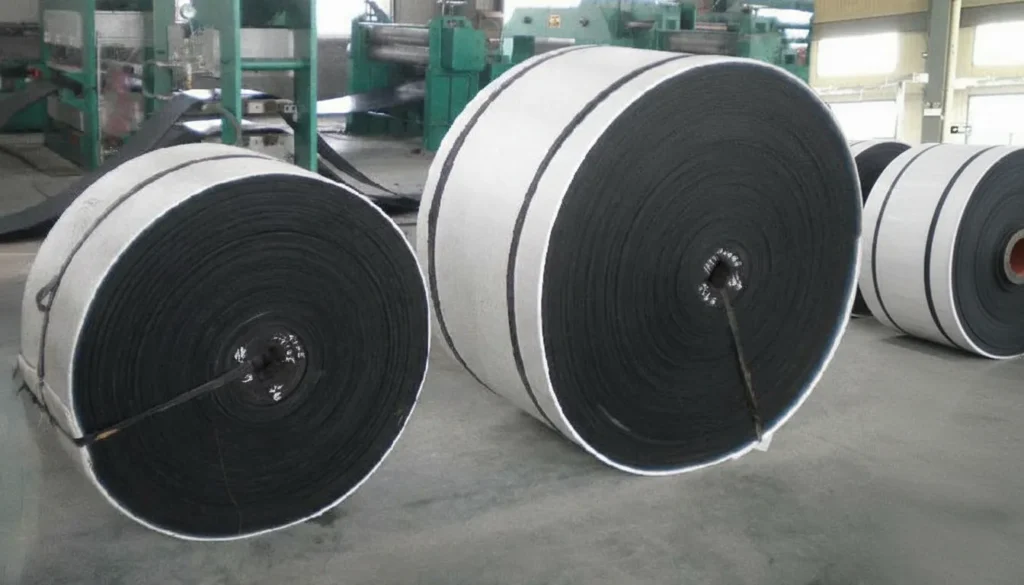
The Layered Fabric Core Conveyor Belt is the most widely applied belt type in general industrial conveying — and for good reason. Where steel cord and integral core belts are engineered for single-environment heavy-duty use, the layered fabric core belt is built around flexibility: flexibility of fabric choice, compound selection, and application range.
The core is formed from multiple plies of woven fabric — cotton canvas, nylon, or polyester — each ply rubber-impregnated and vulcanized together with top and bottom rubber cover layers to form a single, integrated belt structure. Both standard rubber compound and flame retardant (difficult-to-burn) compound are available, with antistatic properties configurable where static dissipation is required.
Fabric Type and Compound — What to Specify and Why
Fabric Core Options:
Cotton Canvas Core — the traditional choice.
Nylon (NN) Core — higher tensile strength than cotton, excellent impact resistance.
Polyester-Nylon (EP) Core — combines a polyester warp (for low elongation and dimensional stability).
Compound Options:
Standard Rubber Compound — for general industrial environments without fire safety classification requirements.
Flame Retardant Compound — for environments requiring difficult-to-burn (난연) performance.
Key Features
Multi-ply fabric construction with compound and core options that adapt to your industry and operating conditions.
Multi-Ply Fabric Core Construction
Multiple bonded fabric plies — cotton canvas, nylon, or polyester — vulcanized with rubber impregnation.
Dual Compound Option
Available in standard rubber compound for general industrial use, or flame retardant (difficult-to-burn) compound.
Antistatic Option
Static dissipation configurable for environments with flammable dust, gas, or regulated static discharge requirements.
Industry Compatibility
CompatibilitySpecified across chemical, power, metallurgy, building materials, light industry, grain processing, and above-ground coal handling.
Good Flexibility
Engineered for main haulage systems spanning hundreds to several thousand meters in a single flight.
Impact Resistant
Layered fabric construction absorbs loading point impact without core damage, suitable for moderate drop heights and material sizes.
Cost-Effective
Lower material and fabrication cost than steel cord or integral core belts — the right economic choice for conveyors up.
Easy to Splice
Fabric core construction supports both mechanical and vulcanized splicing — simpler and faster than steel cord splicing procedures.
Application Scenarios
Engineered for Demanding Industrial Environments
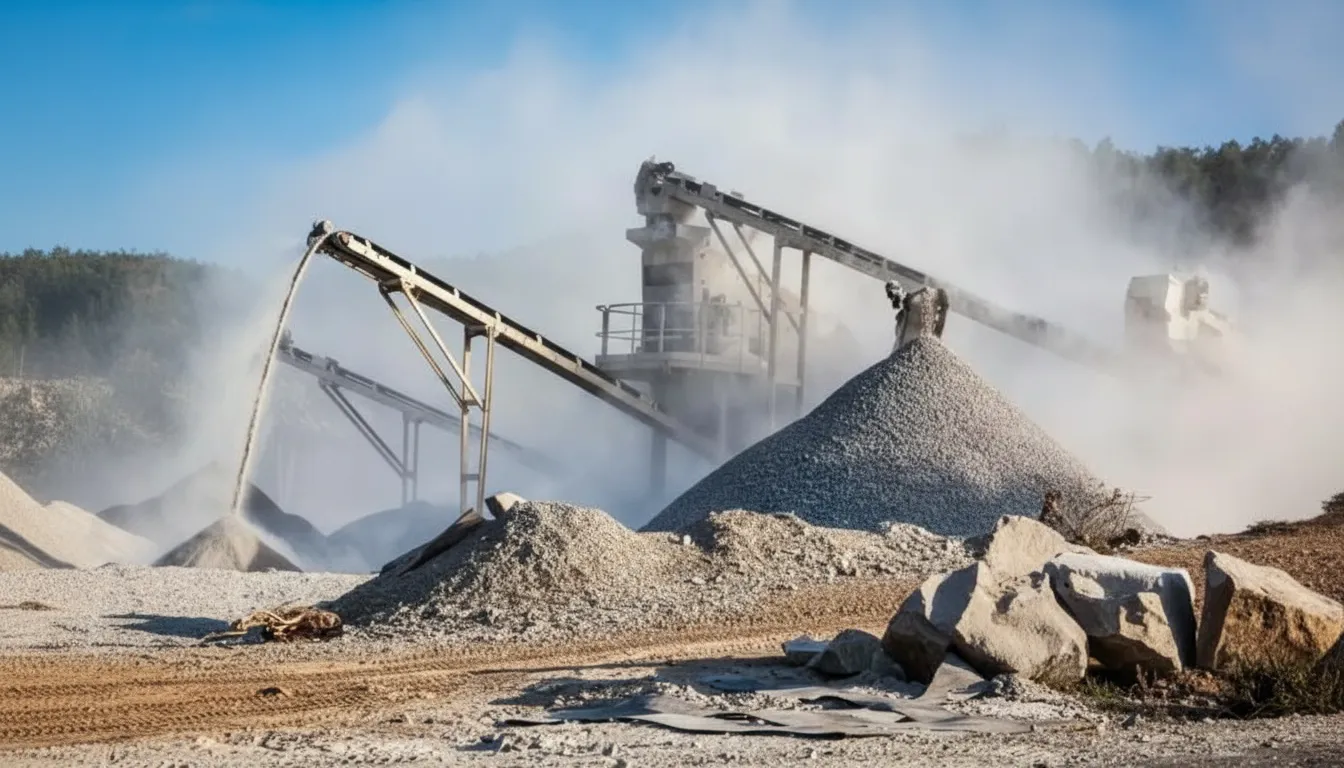
Mining and Mineral Processing
Heavy Duty Strength for Harsh Underground Operations
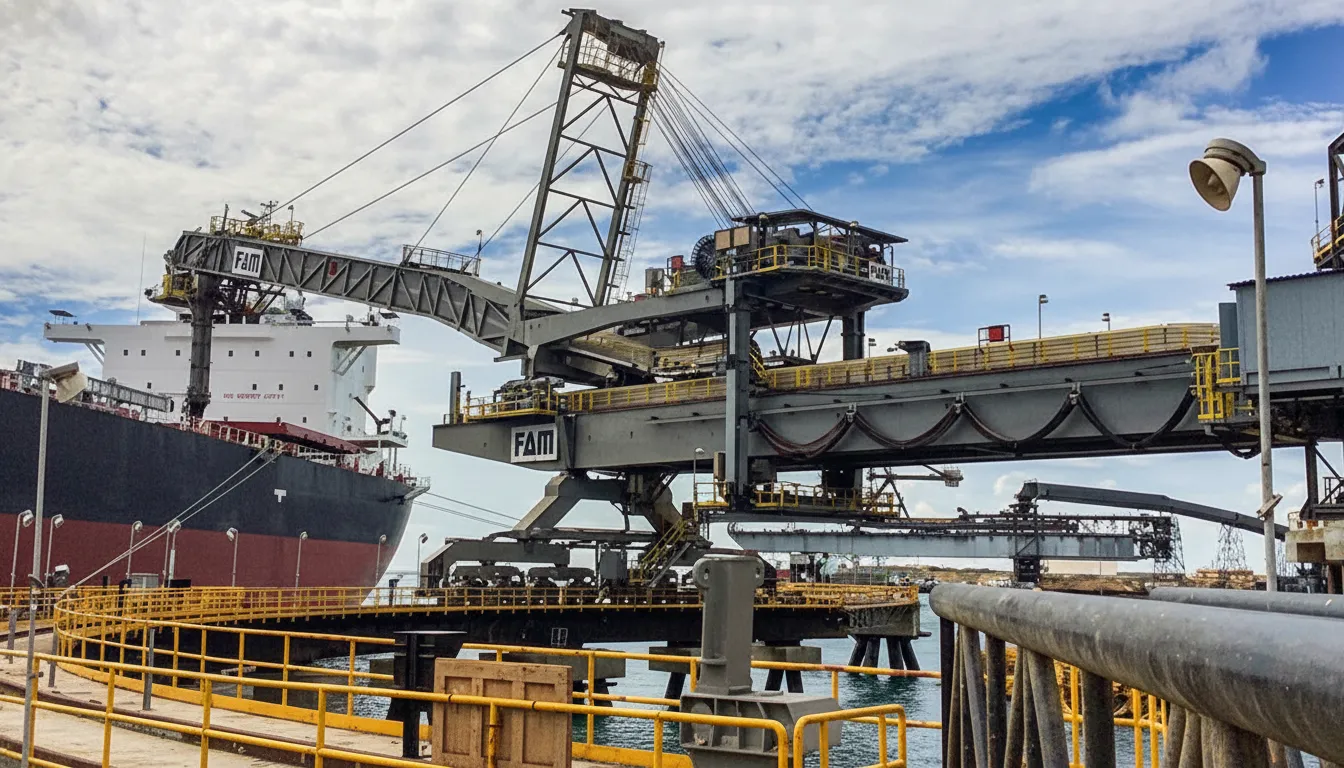
Port and Bulk Logistics
Efficient Flow for Continuous Material Movement
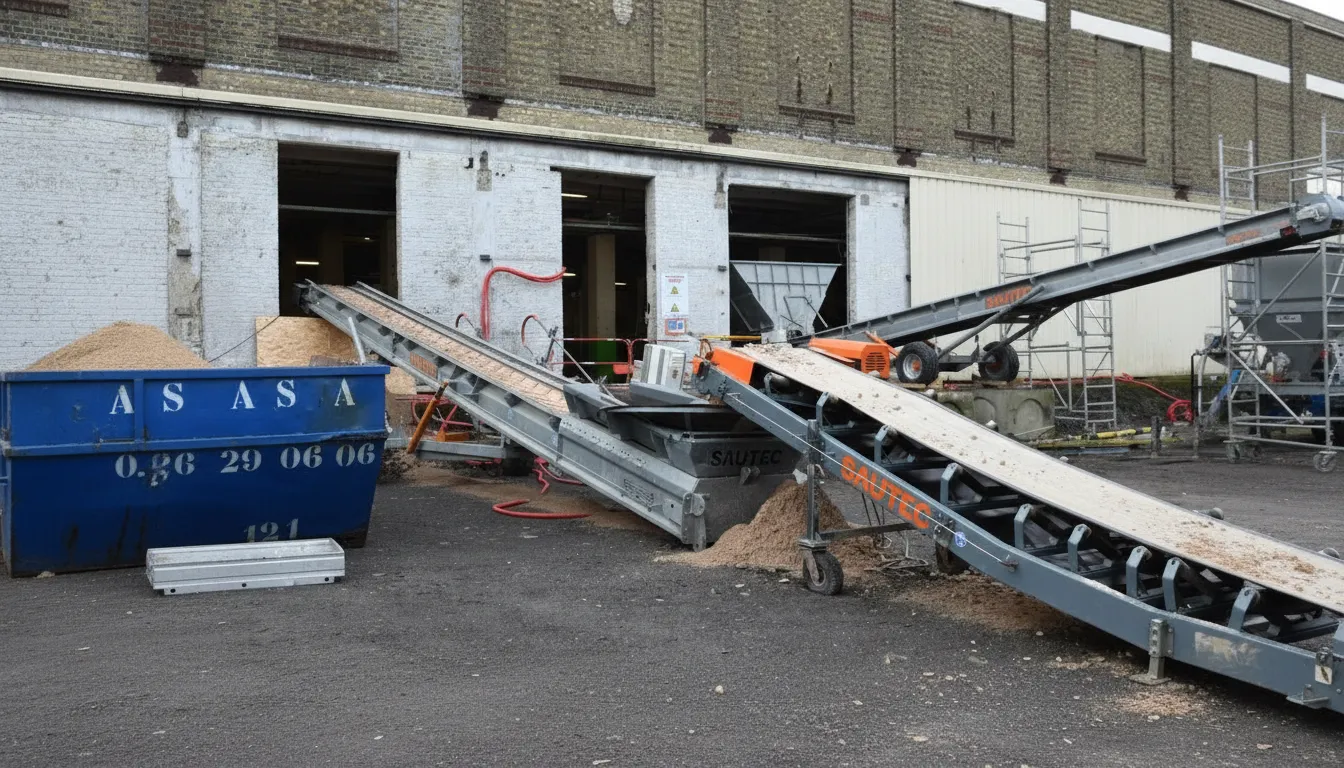
Cement and Building Materials
Enduring Performance Under Constant Heavy Loads
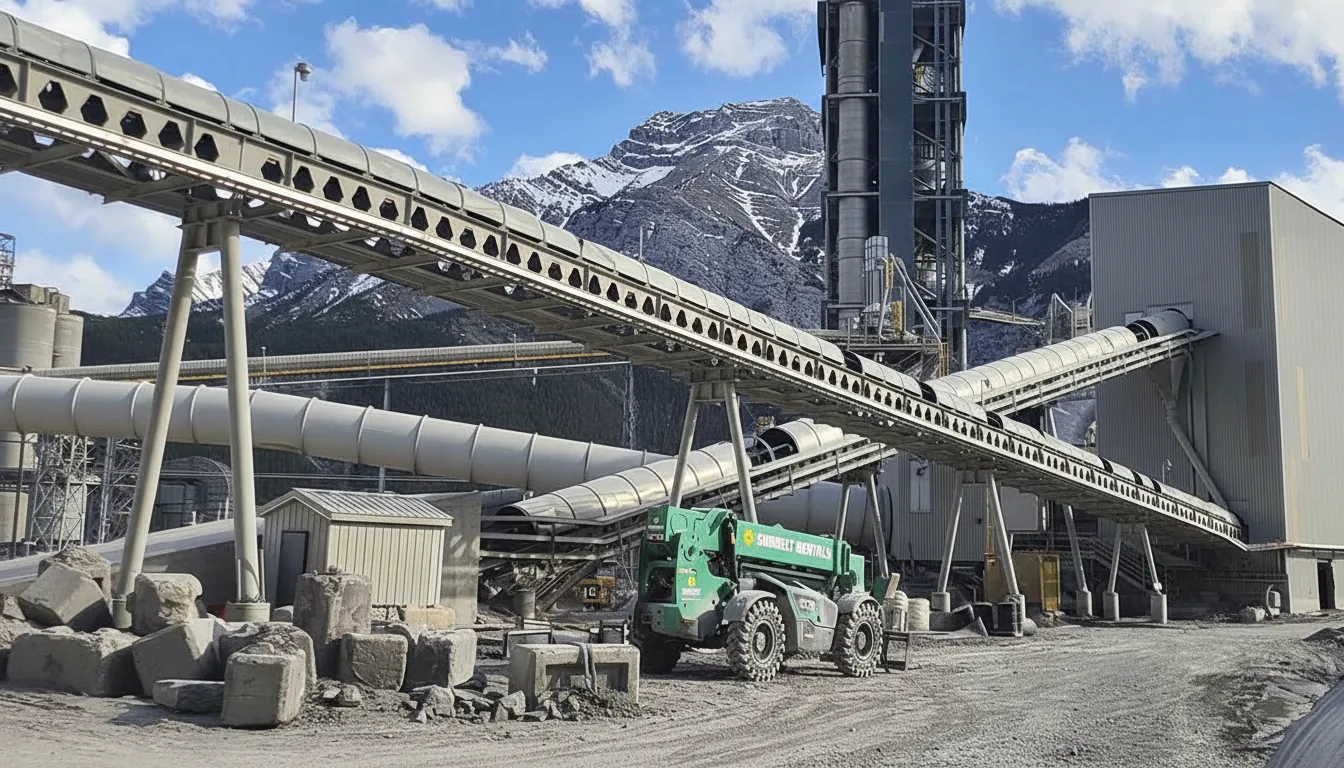
Power Generation and Energy Plants
Reliable Conveying for Coal and Biomass Systems

Metallurgy and Heavy Industry
High Tensile Control for Industrial Production Lines
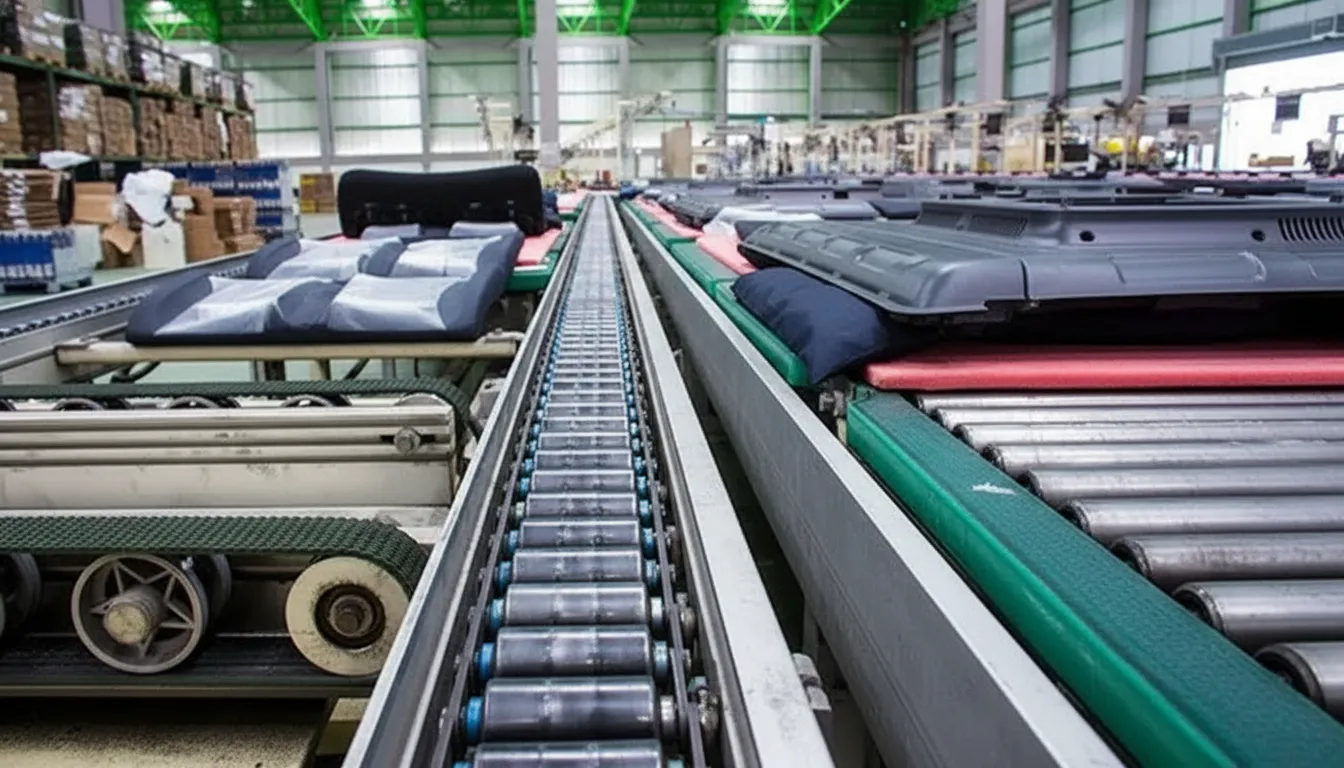
Chemical and Industrial Manufacturing
Resistant Materials for Corrosive and Complex Media
Product Selection Guide
Which Belt Is Right for You?
Compare our core conveyor belt series side by side to find the best fit for your application, environment, and load requirements.
|
Specification
|
★ This Product
Fabric Core
Layered FabricCore Belt Multi-Industry |
PVC Series
PVC Integral
Belt Core Flame Retardant |
PVG Series
PVG Integral
Belt Core Flame Retardant |
Steel Cord
FR Steel Cord
Conveyor Belt Long Distance |
|---|---|---|---|---|
Core Material |
Cotton / Nylon / EP Fabric |
PVC Solid Core |
PVC + Rubber Cover |
Open Steel Wire Rope |
Standard |
GB/T 7984 |
MT914–2008 |
MT914–2008 |
MT668–2008 |
Flame Retardant |
Optional
|
Class A
|
Class A
|
MT668–2008
|
Anti-Static |
Optional
|
|
|
|
Specialist Compounds |
Heat / Cold / Oil / Acid
|
Standard Only
|
Standard Only
|
Heat / Cold / Oil
|
Tensile Strength |
|
|
|
|
Elongation |
Medium |
Low |
Low |
Very Low |
Max Conveying Distance |
~500m |
~800m |
~1,000m |
10,000m+ |
Operating Environment |
Surface / Multi-Industry |
Dry Underground |
Wet & Dry Underground |
Surface & Underground |
Splicing |
Mechanical or Vulcanized |
Vulcanized |
Vulcanized |
Vulcanized Only |
Best Application |
Multi-Industry Surface Haul |
Dry General Mining |
Wet Underground Mining |
Long-Distance FR Haul |
Fabric core type (cotton / nylon / polyester-nylon EP), ply count, compound grade, and cover thickness fully customizable. Contact our engineering team for application-specific configuration recommendations.
Why minsenmine for Fabric Core Belts
Full Compound Range — One Supplier
Standard, flame retardant, heat-resistant, cold-resistant, oil-resistant, and acid/alkali-resistant compounds are all available from our facility.
Three Fabric Core Types Stocked
Cotton canvas, nylon, and polyester-nylon cores are available to order. Our engineering team will recommend the appropriate fabric type.
Antistatic Configurable on Any Compound
Antistatic performance can be specified in combination with any compound variant — not just the standard formulation.
Custom Cover Thickness
Top and bottom cover thickness is independently configurable. We routinely manufacture asymmetric cover profiles — thicker top cover for heavy loading, thinner bottom cover for weight reduction.
FAQ
What is the difference between cotton canvas, nylon, and polyester-nylon (EP) core?
Cotton canvas offers good flexibility and lower cost, best for light-to-moderate loads in dry environments. Nylon (NN) provides higher tensile strength and excellent impact resistance — the preferred choice for heavier loads and steeper inclines. Polyester-nylon (EP) combines low elongation with good impact resistance and moisture resistance.
Do I need flame retardant compound for above-ground coal mine use?
For above-ground coal mine facilities — preparation plants, stockyards, and surface handling systems — local safety regulations typically require flame retardant and antistatic belt classification. Our flame retardant fabric core belt with antistatic compound addresses these requirements.
Can this belt be used for food or grain conveying?
Yes. For grain and agricultural product conveying, we can specify food-grade compatible cover compound without chemicals that would contaminate consumable products.
What is the maximum operating temperature for standard compound?
Standard compound is rated for material temperatures up to approximately 60–70°C at the belt surface. For higher-temperature applications, our heat-resistant compound covers material temperatures up to 120°C (or higher with specialist formulations).
How do I specify the correct ply count?
Ply count is determined by the required belt strength (tensile load per unit width), the number of plies required to achieve that strength with your chosen fabric type, and the minimum belt thickness required by your conveyor’s pulley diameters.
Can you supply short order quantities?
Yes. Unlike steel cord belts which typically require full production runs, fabric core belts can often be supplied in shorter lengths from stock or with shorter lead times.
The Right Belt for Your Industry.
Whether you are specifying a new installation or sourcing a replacement belt for an existing system, the Minsenmine Layered Fabric Core Conveyor Belt delivers the configuration flexibility, compound range, and cost-to-performance ratio your application requires.
- Advanced Manufacturing Equipment
- Comprehensive Product Portfolio
- Certified Management Systems
- Strict Quality Control Procedures
- Strong Research and Development Capability
- Professional Technical Support Team